



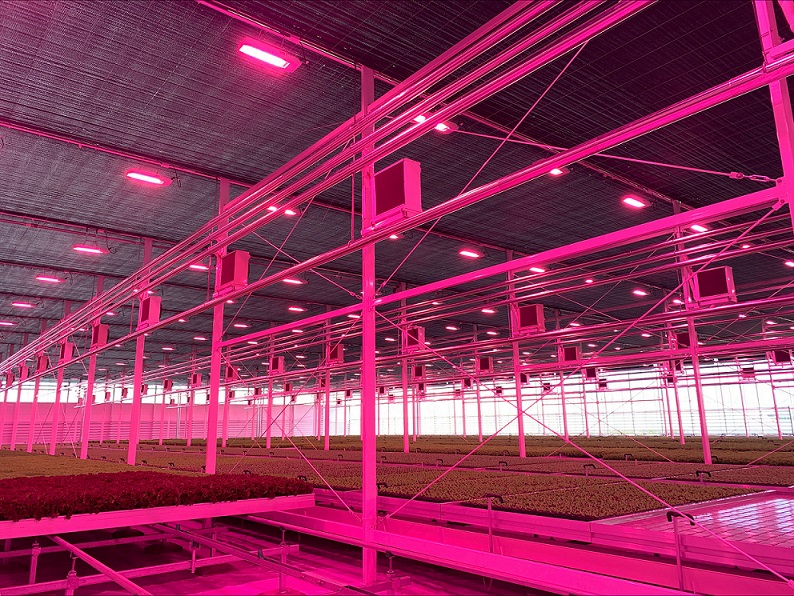
- Plant-optimized spectrum to maximize photosynthetic efficiency and productivity, reducing lettuce crop cycles by up to 30% in winter, resulting in uniform crop cycles across all seasons
- Low heat output enables precise climate control, cutting cooling demand in high-temperature conditions and driving substantial gains in overall energy and operational efficiency
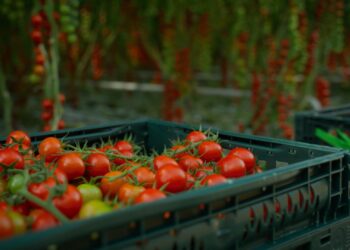
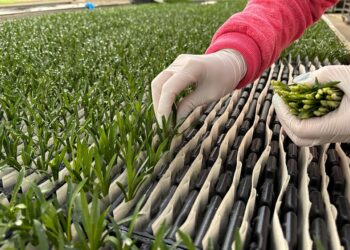
Signify, the world leader in lighting, announced that it has installed Philips GreenPower LED toplighting compact in the lettuce nursery greenhouse of Woodeumgee Farm Co., Ltd., located in Buyeo, Chungcheongnam-do. Woodeumgee Farm has reported 27% higher tomato yield and 40% energy savings after implementing the Philips horticulture LED solution, motivating the company to reinvest in the technology for its expanding greenhouse operations. The lighting system’s plantoptimized spectrum maximizes photosynthetic efficiency and boosts productivity, reducing lettuce crop cycles but up to 30% in winter and ensuring uniform growth throughout the year. Additionally, its low heat output supports precise climate control, reducing cooling demand in high temperature conditions and driving substantial improvements in overall energy and operational efficiency.
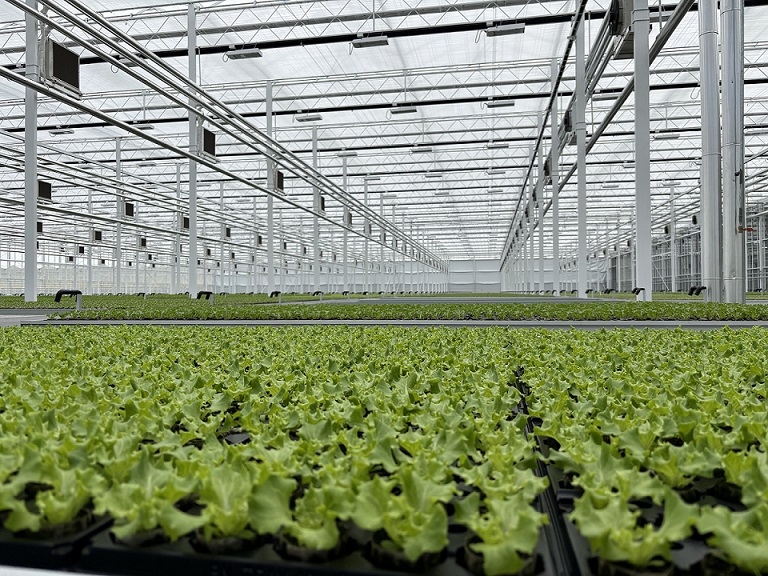
Woodeumgee Farm operates 12 hectares of greenhouse production, primarily focused on tomato and lettuce. The company has long prioritized minimizing seasonal and weather-related growth variability in order to ensure stable year-round productivity and consistent crop quality. While South Korea generally benefits from favorable sunlight amount, recent years have seen a notable decline in winter light levels, increasing the risk of yield instability and uneven crop development in greenhouses that rely solely on natural light. As a result, the need for technologies that enable more precise control of the growing environment has become increasingly important.
To address these challenges, Signify and Woodeumgee Farm have been working in close partnership since 2022 to improve tomato productivity and drive quality innovation. Woodeumgee Farm had previously adopted Signify’s Philips Horticulture LED lighting system in its tomato greenhouses, where the solution delivered proven results by minimizing productivity losses during winter seasons and enabling stable yields with consistent quality. Building on these verified outcomes and the reliability demonstrated in commercial operation, Woodeumgee Farm has now expanded its use of the same lighting technology by installing Philips GreenPower LED toplighting compact in a newly constructed lettuce nursery greenhouse. This marks a repeat investment and an expansion of the solution to a new crop.
“Stable and uniform lighting during the young plant stage is a critical factor that determines overall crop quality,” said Ho-Yeon Kim, Chairman of Woodeumgee Farm. “Philips GreenPower LED toplighting compact helps minimize the impact of seasonal and weather-related variations, enabling consistent young plant production and significantly improving the stability of our production planning and operational efficiency.”
Philips GreenPower LED toplighting compact features a light spectrum optimized for crop photosynthesis, combined with low heat emission to reduce climate management challenges in the greenhouse. This enables growers to improve energy efficiency, maintain stable growing conditions, and reduce operational risks associated with seasonal changes.
This project demonstrates how Signify’s horticultural lighting solutions, backed by proven performance, continue to expand across the global market. Signify supplies advanced lighting technologies to leading smart farms and large-scale growers across Europe, North America, and Asia, reinforcing its leadership in the global horticultural lighting industry.
“Woodeumgee Farm’s decision to reinvest in our solution clearly demonstrates that Philips GreenPower LED toplighting compact delivers tangible benefits in productivity and production stability under changing agricultural conditions,” said Han Lee, CEO of Signify Korea. “Signify will continue to support sustainable agriculture by providing technologies that enhance grower efficiency, energy performance, and long-term business resilience.”