



In commercial nursery production, container selection plays a critical role in plant health, sanitation, labor efficiency, and long-term operating costs. While grow bags and fabric or felt pots are often grouped together, their performance in professional nursery environments differs significantly — particularly in regions exposed to high temperatures, intense sunlight, and frequent irrigation.
This article examines the key differences between fabric pots and professional grow bags, and why many commercial nurseries are transitioning to GrowinBag™ for improved root performance, cleaner production environments, and long-term durability.
Material Matters
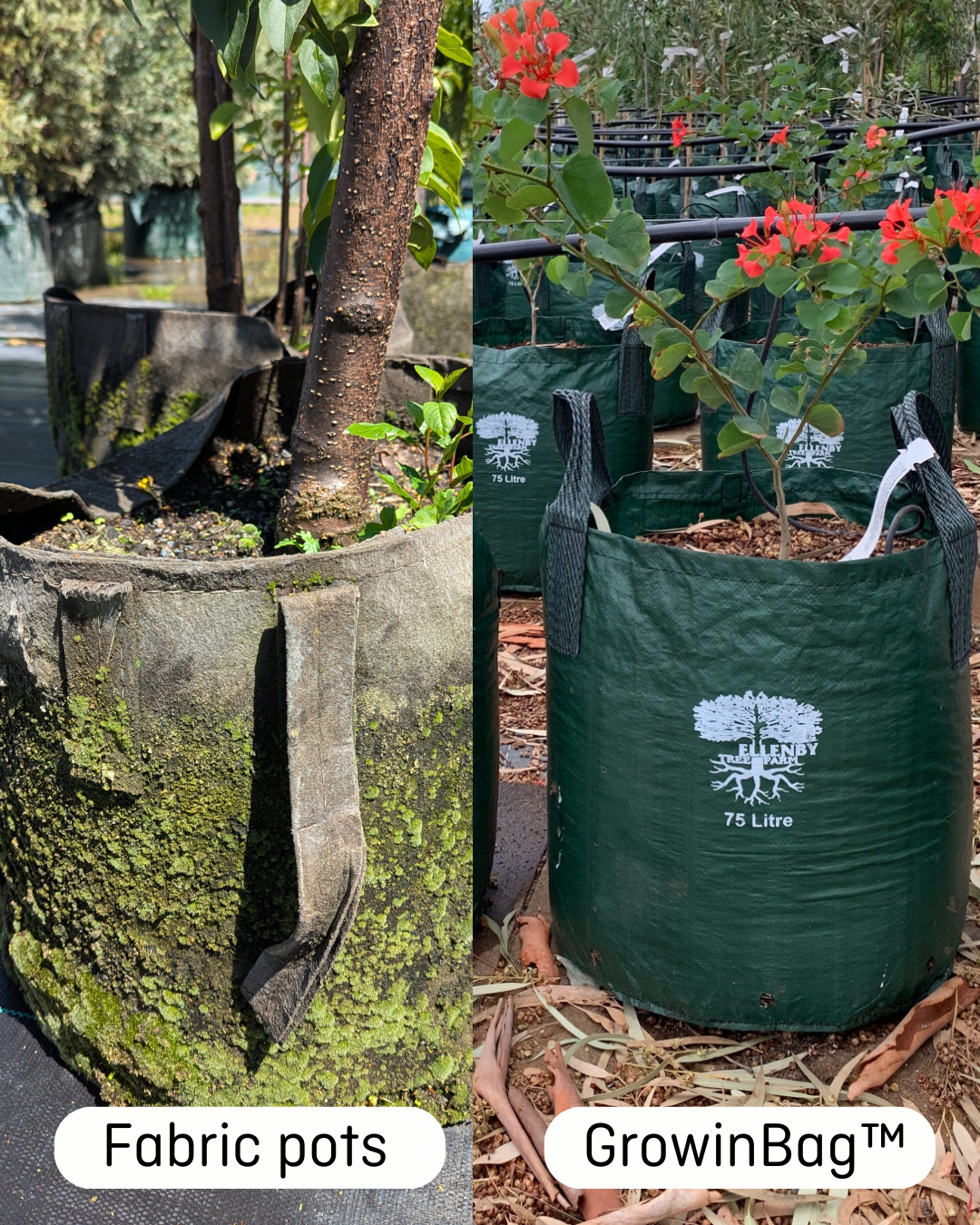
Fabric and felt pots are typically manufactured from absorbent materials. While these containers allow some degree of airflow, their construction can present challenges in commercial settings, including:
- Moisture retention within the fabric
- Increased risk of mold and algae growth
- Material degradation under prolonged UV exposure
- Loss of structural integrity after one or two growing seasons
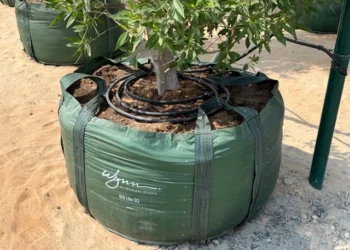
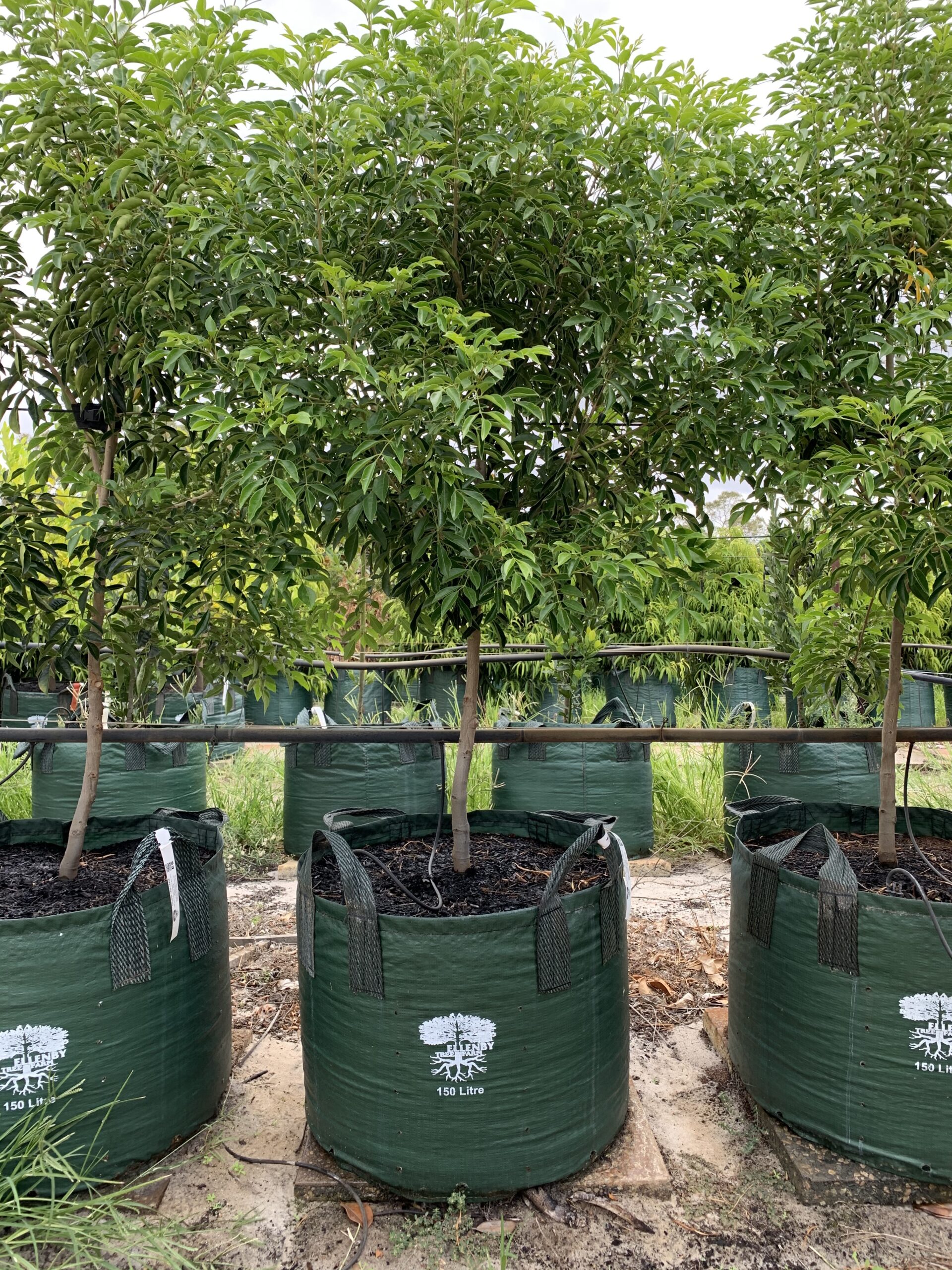
GrowinBag™ grow bags are manufactured from UV-stabilized HDPE, a non-absorbent material engineered for long-term outdoor use. This construction allows the bag to maintain its shape, strength, and performance even under high heat, direct sunlight, and intensive irrigation schedules common in commercial nurseries.
Mold Control and Sanitation
Mold and microbial buildup remain persistent challenges in nursery production, particularly in humid climates or operations with heavy irrigation.
Because felt pots absorb and retain moisture, they can:
- Remain wet for extended periods
- Create microenvironments conducive to bacterial and fungal growth
- Compromise root-zone sanitation
GrowinBag™’s non-absorbent HDPE construction prevents moisture retention within the container walls. By eliminating the conditions that promote microbial growth, GrowinBag™ supports cleaner growing areas and healthier root environments — a key advantage for nurseries focused on plant quality and sanitation standards.
Root Performance and Plant Quality
While fabric pots promote airflow, retained moisture within the material can lead to inconsistent air-pruning and uneven root development.
Professional grow bags provide:
- Uniform airflow across all container surfaces
- Consistent air-pruning
- Dense, fibrous root systems
- Reduced transplant shock
The result is more predictable plant performance at every stage of production. Nurseries using GrowinBag™ consistently report improved root structure, better establishment after transplanting, and more uniform growth across crops.
Durability and Long-Term Cost Efficiency
Fabric pots may appear economical at first, but frequent replacement increases labor demands, material costs, and handling time.
HDPE grow bags are designed to:
- Withstand prolonged UV exposure
- Remain functional across multiple growing cycles
- Reduce replacement frequency
- Lower long-term handling and material costs
For commercial nurseries, container durability directly impacts profitability. GrowinBag™’s long service life makes it a cost-effective solution for large-scale operations seeking consistency and efficiency.
A Proven Choice for Commercial Nurseries
For nurseries focused on root quality, sanitation, and long-term operational efficiency — especially in demanding climates — GrowinBag™ consistently outperforms fabric pots across every critical performance category.
By combining durable materials, mold-free performance, and reliable root development, GrowinBag™ has become a trusted container solution for professional growers worldwide.
For more information:- www.growinbag.com.au